
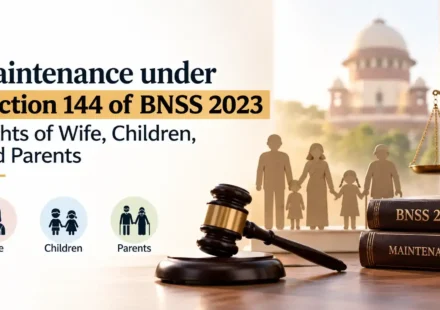
Maintenance under Section 144 of BNSS 2023: Rights of Wife, Children, and Parents

Economic security is a basic need in the family. When a person doesn’t fill out his wife, children or parents, despite being sufficient means, law intervenes. Section 144 of Bharatiya Nagarik Suraksha Sanhita (BNSS) 2023, applicable from 1 July 2024…
Meaning, Nature, and Scope of Administrative Law
You see decisions of government offices, departments and authorities every day. The license is sanctioned or cancelled, tax recovery, scheme applies or an order is issued. The law governing all these functions is called administrative law. This is a…

Police Powers: When can an arrest be made without a warrant?
Have you ever wondered how police arrest a person without court warrant? Many people believe that police can arrest whenever they want to. But this power in Indian law is limited and with conditions. The Indian Civil Security Code (BNSS) 2023,…

What Is a Private Company?
You hear the term “private company” all the time. Founders talk about building one. Investors prefer them in early stages. News stories mention big private firms that never went public. But what does it actually mean? In easy words, the private company…
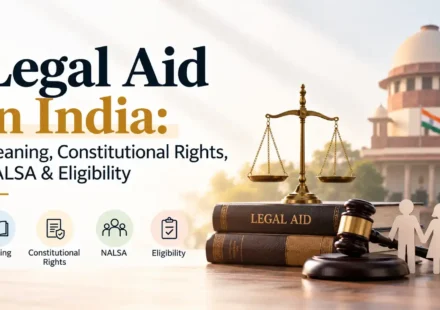
Legal Aid in India: Meaning, Constitutional Rights, NALSA & Eligibility
A daily wage worker is arrested, no savings, no connections, and no know how a courseroom works. The worker sits in lock-up for three days before someone tells him what he is accused. He can’t buy lawyer. He doesn’t even know he has a right to one. This…
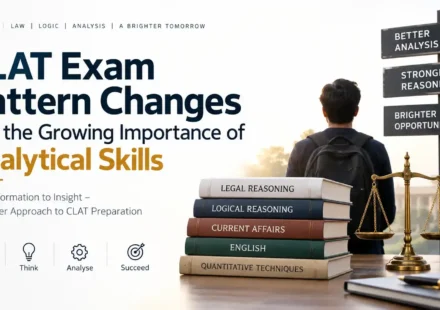
CLAT Exam Pattern Changes and Importance of Analytical Skills
The Common Law Admission Test (CLAT) has never been an exam that rewards memorisation alone. But in recent years, the way students approach the test has started to change. Reading a passage carefully, understanding an argument and applying a principle…
Important Doctrines About Constitutional Amendments and Parliamentary Power
1. Doctrine of Basic Structure Parliament holds enormous power under Article 368 to amend the Constitution. That power have limits? Yes. The Supreme Court in Kesavananda Bharati v. State of Kerala (1973) drew the line. The court held that Parliament…
Supreme Court Quashes POCSO Case Against Teacher: Corporal Punishment Is Not Sexual Assault
A POCSO case is brought against a geography teacher who struck students on the back and waist for failing to respond to questions during class.He is defeated at the trial court stage. He is defeated in the High Court. He arrives at the Supreme Court —…

Dying Declaration Under the Bharatiya Sakshya Adhiniyam, 2023: Meaning, Essentials, and Evidentiary Value
A woman lies in a hospital bed with severe burn injuries. Doctors are not sure she will survive. A magistrate arrives, confirms she is mentally conscious, and records what she says about who attacked her. Three weeks later, she dies. That recorded…
Rigorous Imprisonment vs Simple Imprisonment: Meaning, Difference, and Relevance in Indian Law
When a court convicts someone and sends them to prison, most people assume that jail is jail. Same cell, same food, same routine for everyone. That assumption is wrong. Indian criminal law divides imprisonment into two very different types — rigorous…